Bridge to Red SealConstruction Language
for Newcomers

The UBC Bridge to Red Seal Program assists newcomers in gaining recognition for their trades experience and preparing them to write the Red Seal exam.
https://ubcbuilt.ca/wp-content/uploads/2025/11/Wordmark-CD_H_Colour-W-scaled.png

DISCLAIMER

LANGUAGE SUPPORTS

The purpose of this document is to provide a general description of safety protocols, equipment and procedures that may be applicable to health and safety for the performance of construction in Canada.
It is not intended to be and shall not be construed as a representation of all health and safety laws, regulations, bylaws and/or ordinances applicable to construction. Readers of this document and participants in the Bridge to Red Seal program are expected to familiarize themselves with all federal, provincial, and municipal health and safety laws, regulations, bylaws and/or ordinances applicable to any construction work they perform in.
This may include the completion of mandatory training at the participant’s own expense.

To enable text to speech or translation:

Right click anywhere on the webpage
Set your preferences from the options displayed
https://ubcbuilt.ca/wp-content/uploads/2020/11/03-Language-Supports-640x275.png

GLOSSARY

Term Definition Symbol
CSA
Canadian Standards Association (CSA): Standards designed to protect
the public and improve safety.
EH
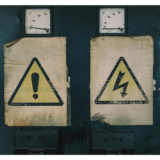
An electrical hazard (EH) is a potentially dangerous situation that
can cause injury or death.
FIT TEST
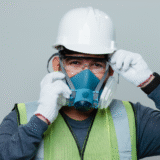
Checks if the respirator fits the worker’s face to ensure they are
protected from the airborne hazard.
FR
Flame retardant (FR) clothing is designed to slow down the spread of
flames and reduce the severity of burns.
LOTO
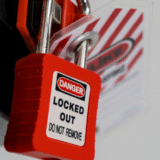
Lockout / Tagout (LOTO) is a safety procedure that should ensure
energy isolation during repair.
Term Definition Symbol
HVSA
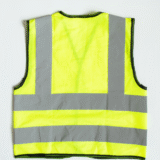
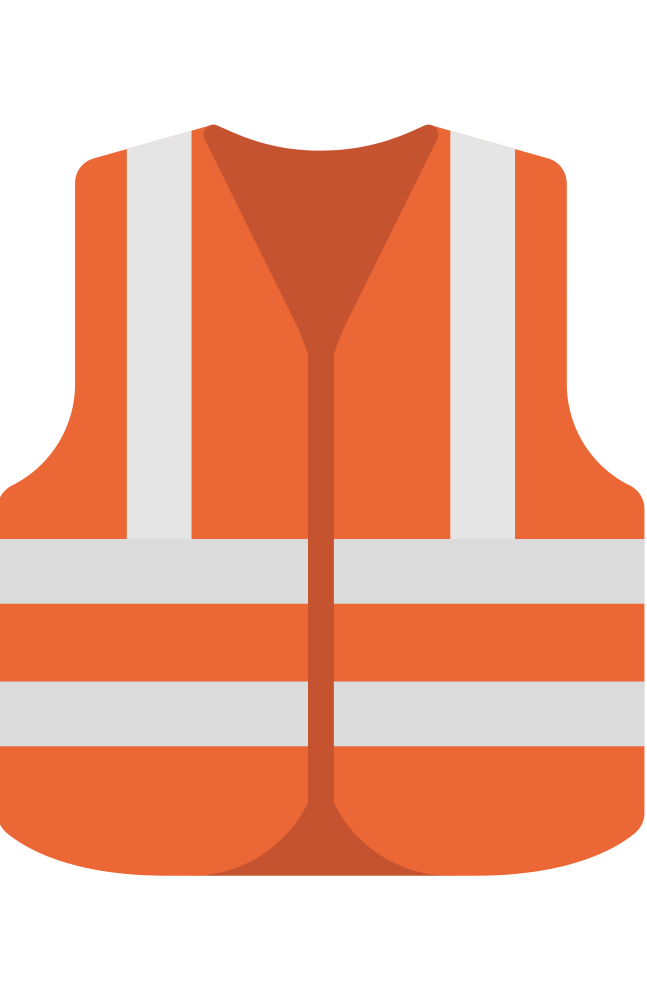
High Visibility (high-viz) Safety Apparel (HVSA) is required on job sites to ensure workers can be seen.
MUSTER
POINT
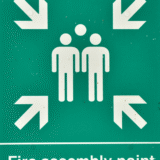
A pre-determined area where everyone gathers in case of an emergency.
PPE
Personal Protective Equipment (PPE) is clothing or equipment worn to minimize exposure to hazards.
SDS
Safety Data Sheets (SDS) provide information about occupational health and safety for products and substances.
STOP THE
DROP
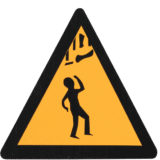
A saying to raise awareness about prevention and the dangers of dropped objects.

FIRE EXTINGUISHER CLASSES

Icon Class Symbol Description
Class A: Ordinary combustibles
Wood, paper, cloth, trash, plastics, and other solids that are not metal.
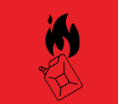
Class B: Flammable or combustible liquids
Gasoline, oil, petroleum, greases, tars, oils, oil-based paints, solvents, lacquers, alcohols, flammable gases.
Class C: Electrical
Energized electrical equipment (plugged-in).
Class D: Metals
Magnesium, titanium, zirconium, sodium, lithium, and potassium.
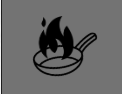
Class K: Combustible cooking
Grease or oil, such as vegetable oils, animal oils, or fats in cooking appliances.

JOBSITE SAFETY BASICS

Jobsite safety means being aware of dangers and taking steps to stay safe.


How to Work Safe:

Be Aware
Look around using the 20-20-20 rule: Every 20 minutes, take 20 seconds and look 20 feet around you.
Spot Hazards
Do a field level hazard assessment before you start your work. Check for any changes after every break or new task.
Take Action
Stop working if something is unsafe. Remove the hazard before you start your work again.
Follow Safety Rules
Wear the right safety gear (PPE), read signs, and use the correct tools or equipment.
Know Emergency Plans
Know where your nearest muster point is in case of an emergency.
Ask if Unsure
If you don’t know, ask!

YOUR EMPLOYER'S SAFETY RULES

Your employer will have safety rules in place.


A Field Level Hazard Assessment (FLHA) or Site-Specific Hazard Assessment is a safety check done before starting work. It helps identify dangers on the job site. Workers must do this before each shift or new task.  


Training: Before you start a job, find out what safety training is required. You will need to show proof of training for the courses you have completed. If you do not have the training, your employer will require you to complete it before you can start working.  

Here are some courses that may be mandatory on your jobsite:

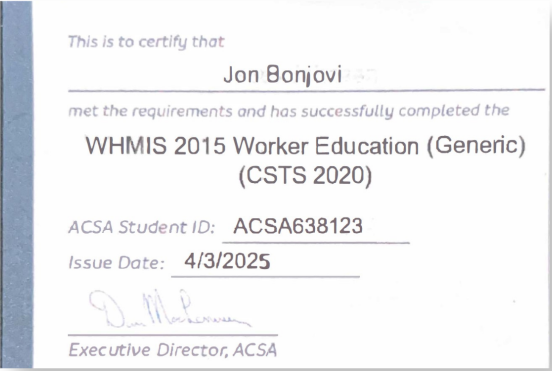
  1. Workplace Hazardous Materials Information System (WHMIS) gives employers and workers information about hazardous materials in the workplace. It is mandatory to have this if hazardous materials are present.
  2. Confined Space Entry and Monitor provides important information about working in tanks, silos, manholes, tunnels, and pipelines. The training covers hazard identification, atmosphere monitoring, emergency procedures, and PPE.
  3. Fall Protection training makes sure every worker knows how to use and maintain fall protection equipment.

COMMON SAFETY RULES

Wear PPE (safety gear)
No loose clothing
Tie back long hair
Read and follow signs
Keep the workplace clean and tidy
Follow housekeeping rules
Store tools properly
Inspect tools before use
Report any safety hazards
Complete required safety training

RIGHT TO REFUSE SAFE WORK

Under Canadian law, you have the right to refuse unsafe work.
Unsafe work may include:


  • Working near or with machines or equipment that are not properly inspected.
  • Correct PPE is not provided.
  • You are not qualified or trained to do the task.
  • Workplace violence.
If you or someone else is in danger, stop working, and tell your supervisor right away.
bt_bb_section_bottom_section_coverage_image

10 LIFE-SAVING RULES

Every job site you work at will have safety rules that you must follow. Company and job site rules are based on federal (Canada-wide) or provincial regulations.
bt_bb_section_top_section_coverage_image
1. WORKING SAFELY

1. WORKING SAFELY

To work safely, there are rules to protect you from harming yourself or others. You must follow the jobsite rules.

Check the work permit to ensure it is up-to-date and is signed before starting your task.
Working at Heights
Use safety equipment and/or harnesses.
Slips, Trips, & Falls
Watch for wet floors, uneven surfaces, or tools in the way.
Moving Equipment
Be careful around forklifts and machines. Make eye contact with the operator and get permission before continuing.
Lock Out/Tag Out
Turn off power and ensure the proper lock-out / tag-out procedures are followed before working on machines to avoid injury from live or stored energy.
Hot Work
Make sure the requirements of your hot work permit are met, and the permit is signed before you start working.
Confined Spaces
Before you enter a confined space, sign the valid entry permit. Check the area for hazards and good ventilation. Ensure safety measures such as a hole watch, rescue plan, and proper PPE are in place.
Pinch Points
Avoid getting caught between machines or in rigging.
Ladder Safety
Keep ladders stable using the 4:1 rule (for every 4 meters up, place the base 1 meter away).
Fire Extinguishers
Use the correct fire extinguisher for the materials on fire (see Fire Extinguisher Classes chart for more details).
Stop the Drop
Secure tools with lanyards so they don’t fall and injure someone below.
https://ubcbuilt.ca/wp-content/uploads/2020/11/26-1.-Working-Safely.png
2. PERSONAL PROTECTVE EQUIPMENT (PPE)

2. Personal Protective Equipment (PPE)

Your employer may provide some PPE but check to see what PPE you are responsible for.

PPE could include: 

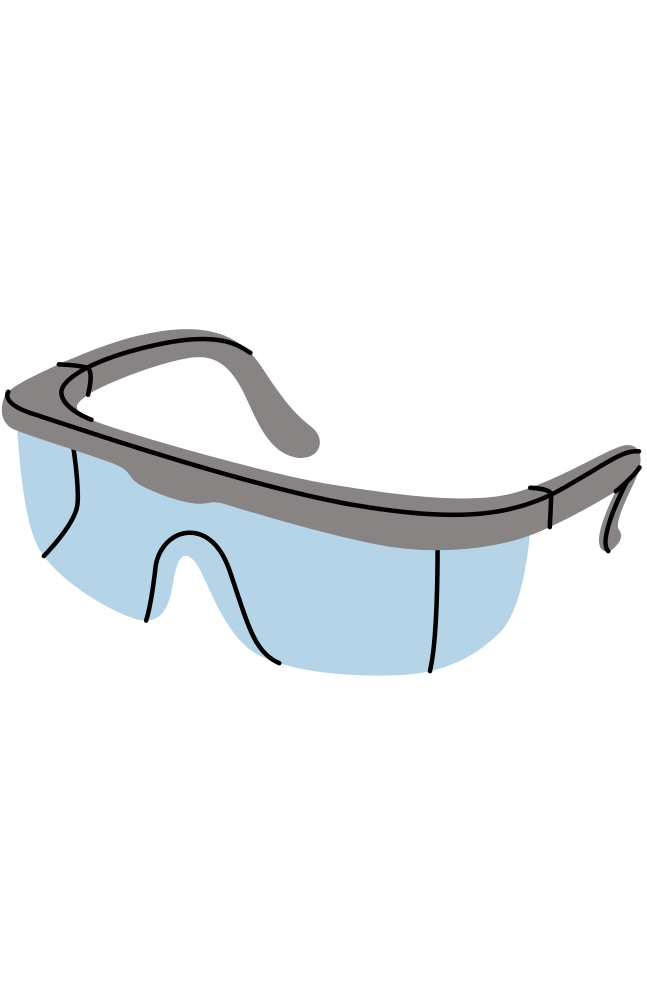
PPE CARPENTERS WELDERS MILLWRIGHTS INTERIOR SYSTEMS
Dynamic, Honeywell.
Site and task specific.
Honeywell / Roughneck Fiber Metal.
Site specific.
CSA approved; colour may be site specific. Required to enter jobsite; CSA approved.
Pioneer, 3M, Tough Duck, ULINE, Dewalt.
CSA/ANSI rated where required; task and site specific.
Task & site specific — use welding-rated eye protection for welders.
Use face/eye shields as required.
CSA approved and task specific — e.g., cutting, chemicals. Employers' responsibility in most jurisdictions.
Task-specific selection.
Task specific.
Not for use with powered cutting tools.
FR rated clothing or 100% cotton or leather.
Site specific.
CSA approved; reflective vests with symmetric "X" on back. HVSA approved high-viz vest with minimum 50mm stripes.
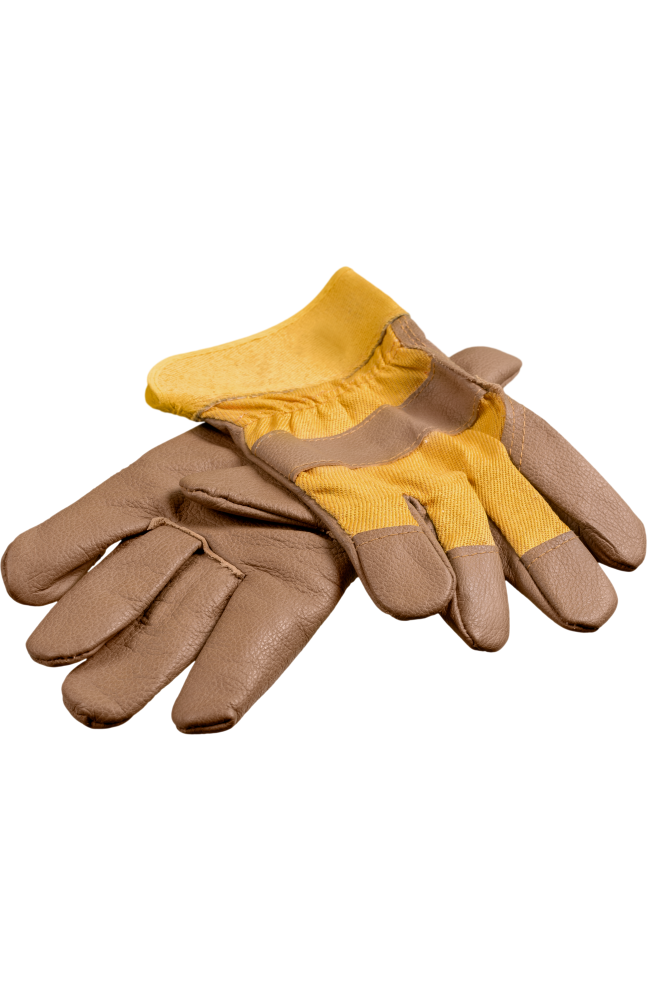
Hyflex, impact, leather gauntlet; task specific and CSA approved. Leather gauntlet gloves.
Welding gauntlets for welders as required.
Hyflex, impact, leather gauntlet; task specific and CSA approved. Job specific; sometimes mandatory.
May be inappropriate for some tasks.
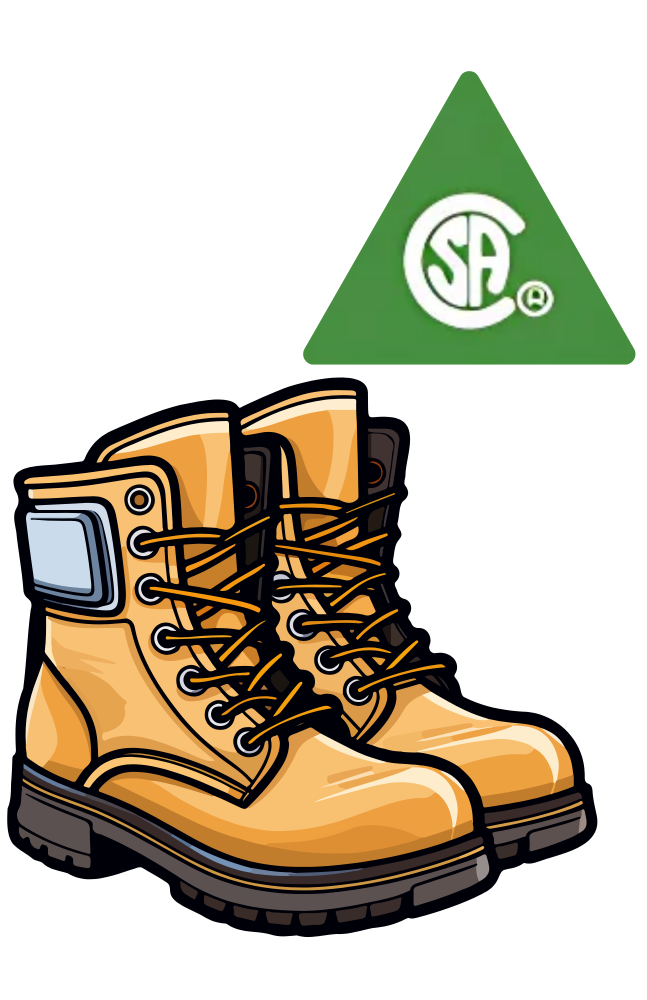
CSA green triangle with defined heel.
Site specific; 6" height where required.
CSA green triangle with defined heel.
Some sites require metatarsal guard; EH protection; 6" or 8".
CSA approved; 6" or 8"; metatarsal protection if required. CSA approved; minimum 6" ankle support recommended.
Indoor work can allow a shorter ankle.
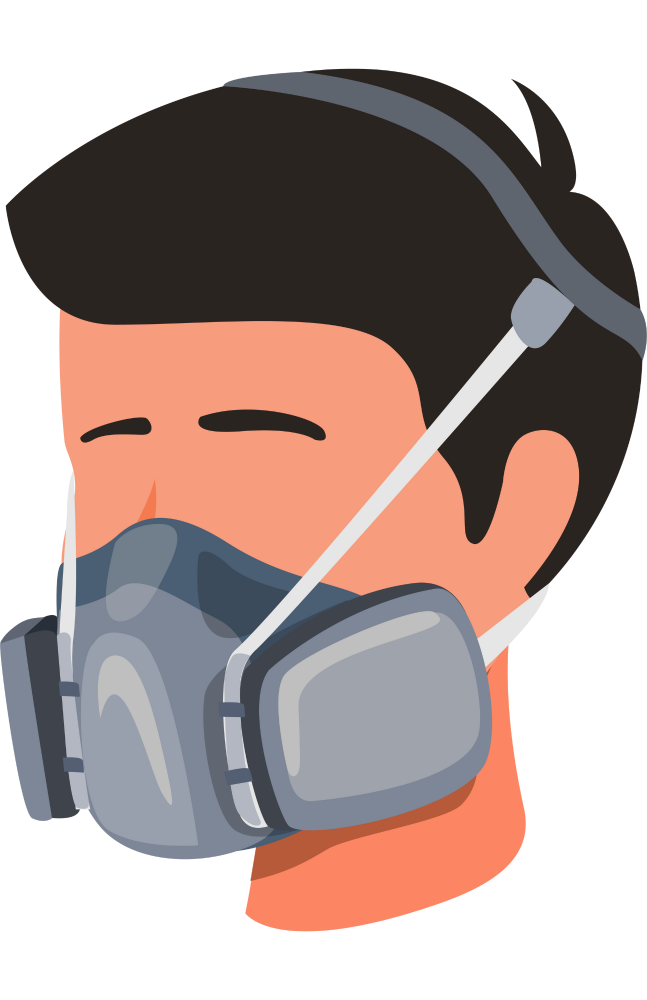
3M disposable, half mask, or full mask with P100 filters.
Other filters for specialized work.
Fit test required.
3M half or full face with P100 puck filters for many welding tasks; task specific.
Fit test required if full/half face is used.
Choice is task-specific; select proper filters for the job.
Task specific; CSA approved when required.
3. TOOL & EQUIPMENT SAFETY

3. Tool & Equipment Safety

Learn to use tools safely.
Inspect tools before using them.
Keep safety guards on machines. Do not bypass safety features or remove safety guards.
https://ubcbuilt.ca/wp-content/uploads/2020/11/37-3-4-320x495.png
4. CHEMICAL SAFETY
https://ubcbuilt.ca/wp-content/uploads/2020/11/38-3-4-320x495.png

4. Chemical Safety

Know about hazardous materials (paint, asbestos, etc.).
Read Safety Data Sheets (SDS) before using chemicals. Always label any containers that you put chemicals in.
Use masks and ventilation when handling chemicals or dangerous substances.
5. EMERGENCY PLANS

5. Emergency Plans

Know where your muster station is.
Know where first-aid kits and fire extinguishers are.
Report accidents right away.
Be aware of pinch points (blind spots, pits/holes, rigging gear).
https://ubcbuilt.ca/wp-content/uploads/2020/11/40-5-6-640x480.png
6. LIFTING & MOVING OBJECTS

6. Lifting &
Moving Objects

Lift with your legs, not your back. Bend your knees!
Use equipment like dollies, chain falls, or cranes for heavy objects. If you do not have rigging training, ask for help from someone who does.
https://ubcbuilt.ca/wp-content/uploads/2020/11/43-5-6-160x160.png
7. COMMUNICATION & TEAMWORK
https://ubcbuilt.ca/wp-content/uploads/2020/11/44-7-8-640x480.png

7. Communication & Teamwork

Follow instructions from supervisors or experienced workers.
Pay attention to horn blasts and know what they mean for the site you are working on.
Ask questions if you don’t understand.
8. PERMITS & SAFETY MEETINGS

8. Permits & Safety Meetings

Read all posted safety signs.
Attend toolbox talks.
Conduct a field-level hazard assessment (FLHA) before starting a task.
https://ubcbuilt.ca/wp-content/uploads/2020/11/45-7-8-640x480.png
9. WEATHER & ENVIRONMENT

9. Weather & Environment

Be prepared for hot, cold, or wet weather.
Drink water and take breaks.
Watch for signs of heat exhaustion or hypothermia.
Put garbage in garbage cans to avoid attracting wildlife and animals.
https://ubcbuilt.ca/wp-content/uploads/2020/11/46-9-10-640x640.png
10. FIT FOR DUTY / WORK READY
https://ubcbuilt.ca/wp-content/uploads/2026/01/SLEEPING.jpg

10. Fit for Duty / Work Ready

Be alert and focused.
Avoid working if overtired or distracted.
Bring the right gear and PPE for your job.
Report unsafe work conditions.
Never work under the influence of drugs or alcohol.
bt_bb_section_bottom_section_coverage_image

WORKSITE SAFETY IN ACTION

7 Safety Stories

Click the scenario to expand

Scenario 1 - SAFETY BARRIERS ARE IMPORTANT

Alex is a carpenter apprentice

They leave their measuring tape near a steel beam. When they return, they see the area is blocked with red tape that says “DANGER: DO NOT ENTER.”

The area looks empty and quiet, so Alex decides to quickly grab the tape. They duck under the barrier and step inside.

At that moment, workers above are loosening bolts on a scaffold platform. A speed wrench falls out of a worker’s toolbelt and drops to the ground below.

“Watch out!” someone yells.

Alex stops just in time as the speed wrench crashes nearby. Shaken, they quickly leave the danger zone. A supervisor approaches them.

https://ubcbuilt.ca/wp-content/uploads/2020/11/52-Scenario-1-320x320.png

Safety Barriers

Key Lessons
Do not enter restricted areas.
Danger tape protects you from unseen dangers.
If you leave a tool in a dangerous area, report it to a supervisor.
They will help you retrieve it safely.
Hazards aren’t always visible.
Overhead work, loose equipment, and falling objects can be deadly.
Scenario 2 - DRESSING FOR WINTER

Solomon is new to Canada

Solomon starts his construction job in the summer. When winter arrives, he is not prepared for the cold.

During the first heavy snowstorm, his bus is delayed due to the weather, making him late and stressed. On-site, he walks around outdoors. His boots are uninsulated, and his socks are thin. Within an hour his feet are soaked and cold.

His only pair of gloves are wet from the snow. His hands are numb.

At lunch, he drinks hot coffee to try and warm up, but it’s not helping.

He is shivering and his freezing hands and feet make him clumsy. While climbing down a ladder, he loses his grip and falls, twisting his ankle. A coworker helps him get first aid.

https://ubcbuilt.ca/wp-content/uploads/2020/11/59-Scenario-2-320x320.png

Dressing for Winter

Key Lessons
Plan for winter delays.
Snow can slow buses and cars—leave early to arrive on time.
Wear warm, waterproof gear.
- Use CSA approved insulated boots, thick socks, and warm gloves.
- Use waterproofing spray on your boots for extra protection.
- Bring an extra set of clothes, so you can change if you get wet.
- Wear multiple layers of clothes to keep warm.

Some companies provide winter PPE or an allowance —ask your employer.
Pay attention to your body.
Stay hydrated in the heat and eat more in the winter to stay warm. Avoid excessive caffeine in the cold as it reduces blood flow to your hands and feet.
https://ubcbuilt.ca/wp-content/uploads/2020/11/58-Scenario-2-640x640.png
Scenario 3 - KEEP THE WORKSITE CLEAN

Jiwan is an experienced drywall worker

Jiwan is working on a new apartment building project. He is carrying drywall sheets with a coworker. The hallway is messy, and there are boxes of drywall screws and empty energy drink cans. The air is dry and dusty from the taping crew who are sanding the drywall compound.

As Jiwan and his coworker walk, they go around boxes of trash and panels. Jiwan’s foot gets caught in an extension cord. He falls hard, dropping the drywall sheet and landing on his knees, hurting his back.

His coworker asks him if he’s ok. Jiwan says he’s fine. He doesn’t want to cause any trouble, but his back is in a lot of pain. He rests for a few minutes, but he doesn’t feel better. He tells the foreman he can’t lift sheets right now and is told to report to first aid.

https://ubcbuilt.ca/wp-content/uploads/2020/11/65-Scenario-3-320x320.png

Clean Worksite

Key Lessons
Keep the worksite clean.
A tidy space is safer and more efficient.
Report and document injuries.
If you get hurt, tell your supervisor and get first aid. Your employer cannot stop you from reporting injuries. In Canada, there are health insurance programs to help you recover, but only if you report them to the jobsite first aid attendant. Make sure you get a copy of the first-aid report.
Right to refuse unsafe work.
If you are asked to do something that seems dangerous or likely to result in an injury, you have the right to refuse the task without fear of discipline. Your employer could plan a safer alternative, get better tools/technique, or improve the environment (better lighting, less trash).
https://ubcbuilt.ca/wp-content/uploads/2020/11/67-Clean-Worksite-e1766156108888-640x640.png
Scenario 4 - LOCKOUT/TAGOUT SAVES LIVES
https://ubcbuilt.ca/wp-content/uploads/2020/11/70-Scenario-4-320x320.png

Miguel is an experienced millwright

At a busy processing plant, a maintenance team is repairing a broken conveyor belt. Miguel, an experienced millwright, follows the lockout/tagout (LOTO) to de-energize the machine before starting the repair. Confident it’s safe, he starts working.

But he makes one serious mistake—he does not double-check that the work area and equipment are fully locked out and de-energized. As he starts the repair, the conveyor belt starts moving, pulling Miguel in. He is severely injured.

Lockout/Tagout

Key Lessons
Always verify equipment is off.
Test it before working, never assume the lock out makes it safe. Double-check.
Follow lockout/tagout (LOTO) procedures.
The Canadian Standards Association (CSA) Z462 has rules for workplace electrical safety that must be followed. Read and follow the company safety practices to minimize risk.
Complete training.
Workers must complete Lockout / Tagout (LOTO) training to learn how to identify energy sources; how to apply locks and tags; and how to verify de-energization before starting work.
Clear communication.
Keep open communication with your team. Before working, confirm the lockout status and steps taken to verify it.
Wear the right PPE.
You must wear the right PPE based on the job’s hazards. For example, use eye and ear protection for flying debris and loud noises; use hand protection to prevent crushes and cuts.
Scenario 5 - MENTAL HEALTH MATTERS

Meet Sam, a new employee

Sam, a new employee, is excited to start working in construction. But the crew has a “tough-it-out” mentality, making Sam afraid to talk openly about the stress or mental health challenges they face.

The experienced workers see sharing struggles as a sign of weakness. Though Sam is facing challenges, they are afraid to speak out for fear of being mocked or losing their job. Sam tries to adapt to the culture, but over time, the pressure builds.

Sam is facing stress at work, at school, and at home. Drained and exhausted, Sam struggles to focus on work. One day, while operating heavy machinery, Sam was tired and distracted which caused a serious accident that injured a coworker.

https://ubcbuilt.ca/wp-content/uploads/2020/11/77-Scenario-5-320x320.png
Your mental health isn’t a weakness — it's a safety priority and is just as important as PPE, training, and equipment handling.

Mental Health

Key Lessons
Mental health is safety.
- Find a mentor or trusted coworker to check in with.
- Know where to get help— Check your Employee Assistance Programs (EAPs), mental health phone numbers, or union support services. If you're unsure, ask HR, safety officers, or a job steward where to find them.
Change the culture.
- It’s okay to take breaks or ask for support when you are overwhelmed.
- Check in on coworkers—sometimes a simple “You okay?” makes a difference.
Speak up when you’re not fit to work.
- Do a quick self-check: “Am I focused? Am I alert?”
- Be clear and professional if you need a break:
https://ubcbuilt.ca/wp-content/uploads/2025/12/CLFN-Copy-for-Web-publishing-1.png
Scenario 6 - USE THE RIGHT PPE!
https://ubcbuilt.ca/wp-content/uploads/2020/11/81-Scenario-6-320x320.png

Joy is working for a scaffolding company

The job is to dismantle an access scaffold from the outside of the building that is under construction. On the first day, she completed safety training and received her fall protection gear, including a double lanyard “universal” men’s harness.

During work, Joy lost her footing and fell through a hole in the platform. The shock absorber worked, reducing the impact. But the leg straps on her harness broke her femur bone.

The crew was able to get her out quickly, but the injury required hospitalization, surgery, and rehabilitation to help her walk again. She was off work for six months, seriously impacting her income and health. She will have chronic pain for the rest of her life.

https://ubcbuilt.ca/wp-content/uploads/2020/11/83-PPE-640x989.png

PPE

Key Lessons
Male and female harnesses are different.
Females need female-specific harnesses for safety, comfort, strap placement, sizing, and adjustability.
Check the fit.
Check the fit of your harness and adjust it before working at heights. If it doesn’t feel right, ask for a better-fitting option—safety gear is not one-size-fits-all.
Speak up for safety.
If your PPE doesn’t fit, talk to your supervisor before starting work. A proper harness can prevent injuries and save lives.
Scenario 7 - HOT WORK PERMIT; SAFETY FIRST

Jeds is a new welder

Jeds, a new welder at the shipyard, wants to prove himself and make a good impression. The team is working on an important project in dock bottom near flammable materials, and they are under pressure to work fast.

Jeds’ supervisor, Ken, is with the other welders, and Jeds wants to show that he can work quickly. He skips the required hot work permit process and starts welding.

Sparks fly, and a fire ignites in a nearby garbage bin. A crew member shouts at Jeds. Ken, the supervisor, rushes to extinguish the flames.

After the fire is out, Ken brings everyone together. He explains that cutting corners can put lives at risk. Proper safety procedures must be followed for hot work. Ken takes Jeds to the safety office to file a report.

https://ubcbuilt.ca/wp-content/uploads/2020/11/87-Scenario-7-320x320.png
https://ubcbuilt.ca/wp-content/uploads/2020/11/90-Scenario-7-640x989.png

Hot Work Permit; Safety First

Key Lessons
Always follow safety protocols.
Skipping steps like not having a hot work permit in place can lead to fires, serious danger, and job loss.
Hot work permits are essential.
A permit is an important step before work with open flames or sparks. A permit ensures safety checks are in place.
Don’t let speed compromise safety.
Taking shortcuts isn’t worth the risk—proper preparation keeps everyone safe. Take your time to prepare and prevent a disaster.

SUMMARY

Jobsite safety means knowing about dangers and taking steps to stay safe.

Workers should:
  • Look around often to spot hazards.
  • Stop unsafe work.
  • Follow all safety rules and procedures.
To help prevent accidents, workers should:
  • Wear the correct personal protective equipment (PPE).
  • Read and follow safety signs.
  • Use tools and equipment correctly.
  • Understand emergency plans.
  • Ask questions if something is unclear or seems unsafe.
Employers are responsible for:
  • Setting up safety rules and expectations.
  • Providing safety training before work begins.
Required safety training may include:
  • WHMIS (Workplace Hazardous Materials Information System).
  • Confined Space training.
  • Fall Protection training.
Workers have the right to refuse unsafe work, such as working with dangerous machines, in unsafe conditions, or without proper training.

FOLLOWING SAFETY RULES AND SPEAKING UP ABOUT DANGERS CAN PREVENT INJURIES AND SAVE LIVES.